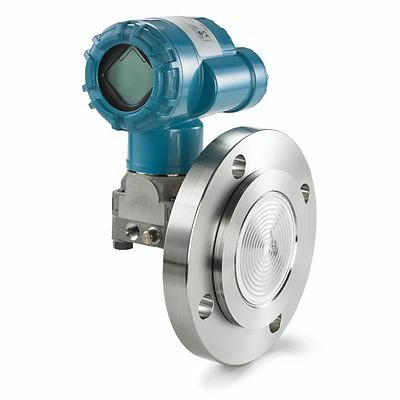
Hey there! I’m a supplier of Rosemount Level Transmitters, and I often get asked about how to transfer data from these nifty devices to a computer. It’s a great question, and I’m here to break it down for you in a way that’s easy to understand. Rosemount Level Transmitter
Why Transfer Data from Rosemount Level Transmitters?
Before we dive into the how – to, let’s talk about why you’d want to transfer data from a Rosemount Level Transmitter to a computer in the first place. These transmitters are used in a wide range of industries, like oil and gas, water treatment, and chemical manufacturing. They’re designed to accurately measure the level of liquids or solids in a tank or vessel. By transferring the data to a computer, you can analyze the information, create reports, and make informed decisions about your processes. For example, you can monitor inventory levels in real – time, detect any abnormal fluctuations, and plan for maintenance or refilling operations.
Understanding Rosemount Level Transmitters
Rosemount Level Transmitters come in different types, such as guided wave radar, non – contact radar, and hydrostatic pressure transmitters. Each type has its own unique features and benefits, but they all work on the principle of measuring the level of a substance and converting it into an electrical signal.
The transmitters communicate with other devices through different protocols, and this is key when it comes to data transfer. Some of the common protocols used by Rosemount Level Transmitters are HART (Highway Addressable Remote Transducer), Modbus, and Foundation Fieldbus.
Step – by – Step Guide to Data Transfer
Step 1: Choose the Right Communication Method
The first thing you need to do is decide how you’re going to connect the Rosemount Level Transmitter to your computer. The most common methods are using a serial connection (like RS – 232 or RS – 485), Ethernet, or wireless communication.
- Serial Connection: If you’re using a serial connection, you’ll need a serial cable to connect the transmitter to a serial port on your computer. Some computers these days don’t have serial ports, so you can use a USB – to – serial adapter. Make sure the adapter is compatible with the communication protocol of your transmitter.
- Ethernet: Ethernet is a popular choice for high – speed data transfer. You’ll need to connect the transmitter to your local network using an Ethernet cable. The transmitter should have an IP address assigned to it, which you’ll use to access the data on your computer.
- Wireless Communication: Wireless options are great for situations where running cables is difficult or not practical. Rosemount offers wireless transmitters that can communicate with a wireless gateway, which then connects to your computer or network.
Step 2: Configure the Transmitter
Once you’ve chosen your communication method, you need to configure the transmitter to send data. This involves setting up the communication protocol, the baud rate (for serial connections), and the IP address (for Ethernet connections). You can usually do this using the transmitter’s built – in configuration tools or a programming device.
For example, if you’re using the HART protocol, you’ll need to set the HART address of the transmitter and configure the HART communication parameters. If you’re using Modbus, you’ll need to set the Modbus address and the register map so that your computer knows where to find the data.
Step 3: Install the Software
To receive and analyze the data from the Rosemount Level Transmitter on your computer, you’ll need to install the appropriate software. Emerson, the manufacturer of Rosemount products, offers software like AMS Device Manager. This software allows you to connect to the transmitter, configure it, and view the data in real – time.
There are also third – party software options available that can work with Rosemount transmitters. Make sure the software you choose is compatible with the communication protocol and the type of data you want to collect.
Step 4: Connect and Test
After you’ve configured the transmitter and installed the software, it’s time to connect the transmitter to your computer and test the data transfer. Open the software and follow the instructions to establish a connection with the transmitter.
If everything is set up correctly, you should start seeing the data from the transmitter on your computer screen. You can check the accuracy of the data by comparing it to the readings on the transmitter’s display or by using other measurement methods.
Troubleshooting Common Issues
Sometimes, things don’t go as smoothly as we’d like. Here are some common issues you might encounter when transferring data from a Rosemount Level Transmitter to a computer and how to fix them.
- Connection Problems: If you’re having trouble connecting to the transmitter, check the cables to make sure they’re properly plugged in. If you’re using a wireless connection, check the signal strength and make sure the gateway is working correctly.
- Data Errors: If the data you’re receiving is incorrect or incomplete, check the communication settings on the transmitter and the software. Make sure the baud rate, protocol, and register map are all configured correctly.
- Software Compatibility: If the software isn’t working with the transmitter, make sure you have the latest version of the software installed. You may also need to update the firmware on the transmitter.
Benefits of Working with a Rosemount Level Transmitter Supplier
As a Rosemount Level Transmitter supplier, I can offer you a lot more than just the devices themselves. I have in – depth knowledge of these transmitters and can help you with every step of the data transfer process. Whether you’re having trouble choosing the right communication method, configuring the transmitter, or installing the software, I’m here to assist.
I can also provide you with training on how to use the transmitters and the associated software. This ensures that you can get the most out of your investment and make the best use of the data you collect.
Conclusion

Transferring data from a Rosemount Level Transmitter to a computer is a straightforward process if you follow the right steps. By choosing the right communication method, configuring the transmitter correctly, installing the appropriate software, and testing the connection, you can have real – time access to important level data. This data can help you optimize your processes, improve efficiency, and save costs.
Abb Temperature Transmitter If you’re interested in purchasing Rosemount Level Transmitters or need help with data transfer, don’t hesitate to get in touch. I’m always happy to talk to potential customers and answer any questions you might have. Whether you’re a small business just starting out or a large industrial corporation, I can provide you with the solutions you need to succeed.
References
- Emerson Rosemount product documentation.
- Industry standards for industrial communication protocols like HART, Modbus, and Foundation Fieldbus.
Iges Instrument Co., Ltd.
With abundant experience, we are one of the most professional rosemount level transmitter suppliers in China. Please feel free to buy high quality rosemount level transmitter in stock here and get quotation from our factory. Good service and low price are available.
Address: No. 103, 1st Floor, Dacheng Commercial Building, Chezhan Avenue, Lucheng District, Wenzhou City
E-mail: igesinst@gmail.com
WebSite: https://www.iges-inst.com/
