Hey there! I’m a supplier in the precision metal parts industry. Over the years, I’ve witnessed some cool new technologies emerging in this field. These technologies have not only improved the quality of our products but also increased production efficiency. So, let’s dive into what these new technologies are and how they’re changing the game for precision metal part production. Precision Metal Parts
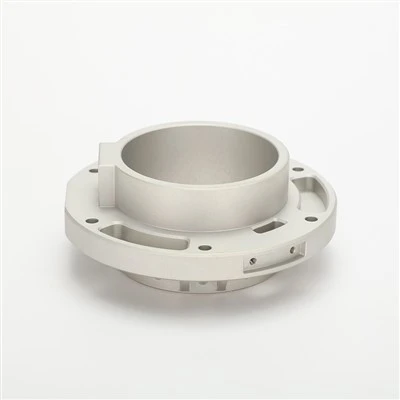
CNC Machining Advancements
First off, let’s talk about Computer Numerical Control (CNC) machining. It’s been around for a while, but there have been some major upgrades lately. Traditional CNC machines were pretty good at making basic shapes, but now, we’ve got multi – axis CNC machines. These bad boys can move in five or even more axes simultaneously. What does that mean? Well, it means we can create super complex parts with less setup time.
For example, if you need a part with some really intricate curves and angles, a 5 – axis CNC machine can handle it like a pro. You don’t have to keep repositioning the workpiece multiple times, which cuts down on errors and speeds up the whole process. Plus, modern CNC machines are controlled by super – advanced software. This software can simulate the entire machining process before the actual cutting starts. So, we can catch any potential issues early on, saving time and materials.
Another cool thing about the latest CNC technology is the use of high – speed spindles. These spindles can rotate at incredibly high speeds, allowing for faster cutting. And with the right cutting tools, we can achieve a much better surface finish on the parts. This is especially important for parts that need to fit together precisely or have a smooth appearance.
Additive Manufacturing
Additive manufacturing, also known as 3D printing, has really shaken up the precision metal parts world. Instead of starting with a big block of metal and cutting away the excess like in traditional machining, 3D printing builds parts layer by layer.
One of the main advantages of 3D printing for precision metal parts is the ability to create parts with complex geometries that would be impossible or extremely difficult to make with traditional methods. For instance, we can print parts with internal lattice structures. These structures are not only lightweight but also very strong. They’re great for applications where weight is a concern, like in the aerospace industry.
There are different types of 3D printing technologies for metals. One popular method is Powder Bed Fusion (PBF). In PBF, a thin layer of metal powder is spread out, and then a laser or an electron beam selectively melts the powder in the shape of the part’s cross – section. This process is repeated layer by layer until the part is complete.
Another method is Directed Energy Deposition (DED). With DED, a metal powder or wire is fed into a molten pool created by a laser or an electron beam. This technology is great for repairing or adding material to existing metal parts.
3D printing also allows for rapid prototyping. We can quickly print a prototype of a part to test its design and functionality. If there are any issues, we can make changes to the digital model and print another prototype right away. This saves a ton of time and money compared to traditional prototyping methods.
Laser Cutting and Welding
Laser technology has also come a long way in precision metal part production. Laser cutting is a super precise way to cut metal sheets. The laser beam is focused on the metal, and it melts, burns, or vaporizes the material, creating a clean and accurate cut.
One of the benefits of laser cutting is its high precision. We can cut very fine details and tight tolerances. The laser beam is also very narrow, which means there’s less material wastage. And because the cutting is done by a laser, there’s no physical contact with the metal, so there’s less risk of damaging the part.
Laser welding is another area where lasers are making a big impact. Laser welding is a non – contact process that uses a high – intensity laser beam to join metal parts together. It’s great for welding small and delicate parts because it can deliver a very concentrated heat source, minimizing the heat – affected zone. This results in stronger and more precise welds.
Modern laser cutting and welding machines are also very automated. They can be programmed to cut or weld complex patterns with high repeatability. This makes them ideal for mass – producing precision metal parts.
Surface Treatment Technologies
The surface of a precision metal part is just as important as its shape and dimensions. New surface treatment technologies are helping us to improve the performance and durability of our parts.
One such technology is Physical Vapor Deposition (PVD). PVD is a process where a thin film of material is deposited on the surface of the metal part. This film can have different properties, such as hardness, corrosion resistance, or low friction. For example, if we deposit a titanium nitride (TiN) film on a cutting tool, it can make the tool much harder and more wear – resistant.
Another surface treatment technology is Electroless Nickel Plating (ENP). ENP is a chemical process that deposits a nickel – phosphorus alloy on the metal surface. It provides excellent corrosion resistance and a smooth surface finish. ENP is often used on parts that are exposed to harsh environments or need to have good electrical conductivity.
There are also new types of coatings that can improve the aesthetic appearance of the parts. For example, some coatings can give the parts a shiny, metallic look or a matte finish, depending on the customer’s requirements.
Automation and Robotics
Automation and robotics are playing a huge role in modern precision metal part production. We’re using robots to handle tasks like loading and unloading parts from machines, inspecting parts for quality, and even performing some simple machining operations.
Automated production lines are becoming more common. These lines can be set up to run 24/7 with minimal human intervention. Robots can move parts from one machine to another, ensuring a smooth and efficient production process. This not only increases productivity but also reduces the risk of human error.
In terms of quality control, robots can use advanced sensors and vision systems to inspect parts. They can check for dimensions, surface defects, and other quality parameters with high accuracy. If a part doesn’t meet the specifications, the robot can immediately remove it from the production line.
Conclusion
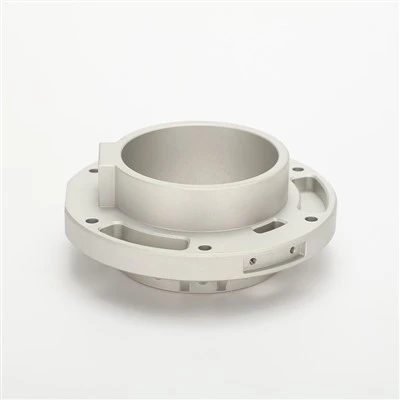
So, there you have it! These are just some of the new technologies in the production of precision metal parts. As a supplier, I’m really excited about these advancements because they allow us to offer our customers better products at more competitive prices.
Medical Device Processing If you’re in the market for precision metal parts, I’d love to have a chat. Whether you need a single prototype or a large – scale production run, we’ve got the technology and expertise to meet your needs. Just reach out, and let’s start a conversation about how we can work together to bring your project to life.
References
- "Modern Manufacturing Technologies" – A textbook on the latest manufacturing processes
- Industry reports from leading metalworking associations
- Research papers on additive manufacturing, CNC machining, and surface treatment technologies
Zhejiang Hayi Technology Co., Ltd.
With abundant experience, we are one of the most professional precision metal parts manufacturers in China. We warmly welcome you to wholesale bulk precision metal parts in stock here and get quotation from our factory. All customized products are with high quality and competitive price.
Address: Room 112, 1st Floor, No. 103, Siwangdai, Pingzhai Village, Renhe Subdistrict, Yuhang District, Hangzhou City, Zhejiang Province
E-mail: 18368133797@163.com
WebSite: https://www.zhejianghayi.com/
