What are the limitations of using a Crucible Furnace for large – scale production?
As a supplier of crucible furnaces, I’ve had the opportunity to work closely with a wide range of industries that rely on these essential pieces of equipment. Crucible furnaces have been a staple in metal melting and refining for centuries, offering simplicity, versatility, and relatively low – cost operation for small to medium – scale applications. However, when it comes to large – scale production, they come with a set of limitations that need to be carefully considered. Crucible Furnace
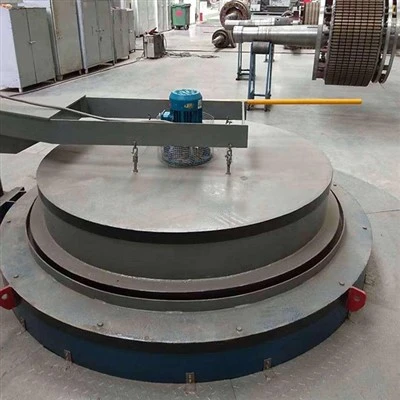
One of the most significant limitations of using a crucible furnace for large – scale production is its relatively low melting capacity. Crucible furnaces typically use crucibles of various sizes to hold the metal being melted. These crucibles have a finite volume, and even the largest commercially available crucibles can only hold a limited amount of metal at a time. For example, in industries like aluminum smelting for automotive parts manufacturing or steel production for construction, large quantities of metal need to be melted continuously. In such cases, the small batch sizes that crucible furnaces can handle are a major bottleneck. A single charge of a crucible furnace might take several hours to melt, which then requires a significant turnaround time before the next batch can be loaded and melted. This inefficiency directly impacts the overall production rate, making it difficult to meet the high – volume demands of large – scale manufacturing.
Another aspect related to low melting capacity is the issue of energy efficiency. Crucible furnaces are often less energy – efficient when used for large – scale production. Every time a new charge is loaded into the crucible, the furnace has to heat up the crucible and the metal from ambient temperature. The heating process consumes a substantial amount of energy, and with frequent batch changes in large – scale production scenarios, this energy consumption accumulates rapidly. In contrast, large – scale induction furnaces or electric arc furnaces can operate continuously with a more consistent power input. They have a much larger melting volume, and once they reach a stable operating temperature, they can maintain it relatively easily, resulting in better energy utilization over time. The high energy cost associated with crucible furnaces not only impacts the production budget but also raises environmental concerns as it contributes to increased carbon emissions.
The quality control challenges are also more pronounced when using crucible furnaces for large – scale production. In a large – scale manufacturing process, maintaining consistent product quality is of utmost importance. Since crucible furnaces operate in batches, there can be variations in the melting process from one batch to another. Factors such as the initial temperature of the crucible, the distribution of heat within the crucible, and the composition of the raw materials can all affect the final quality of the melted metal. For instance, in the production of high – precision alloys, even minor variations in the melting temperature or the mixing of elements can lead to significant differences in the mechanical and chemical properties of the final product. This lack of batch – to – batch consistency can result in a higher rate of product rejection, which is a costly issue in large – scale production.
In addition to quality control, the labor requirements for operating crucible furnaces in large – scale production are relatively high. Each batch requires manual handling of the crucible, including loading the raw materials, pouring the melted metal, and cleaning the crucible after use. This manual labor is not only time – consuming but also poses safety risks to the workers. In a large – scale production environment, where the number of batches is high, the need for a large workforce to manage these tasks can increase the overall production cost. Moreover, human error in handling the crucibles can lead to accidents, such as spills of molten metal, which can cause serious injuries and damage to equipment.
The maintenance of crucible furnaces can also be a limiting factor in large – scale production. Crucibles are subject to wear and tear during the melting process due to the high temperatures and chemical reactions with the molten metal. They need to be regularly inspected and replaced, which can be a costly and time – consuming process. In large – scale production, where there are multiple furnaces and crucibles in operation, the maintenance schedule becomes even more complex. Downtime for crucible replacement and maintenance can disrupt the production flow, leading to delays and reduced productivity.
Despite these limitations, crucible furnaces still have their place in large – scale production under certain circumstances. They are often used for melting precious metals or in industries where small – batch production with high flexibility is required. For example, in the jewelry – making industry, crucible furnaces are ideal for melting small amounts of gold, silver, and other precious metals with different alloys. They also offer a relatively simple and cost – effective solution for prototype production in some industries.
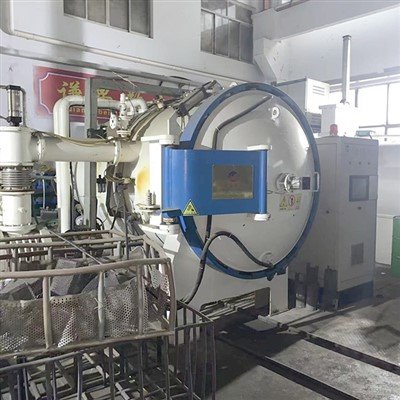
However, for most large – volume manufacturing operations, it might be necessary to consider alternative melting technologies. Hybrid approaches, where crucible furnaces are used in conjunction with larger, more efficient melting systems, can also be an option. For example, a crucible furnace can be used for pre – melting or for special alloy production, while the bulk of the metal is melted in a larger, continuous – operation furnace.
Tempering Furnace In conclusion, while crucible furnaces are valuable tools in many industrial applications, they face significant limitations when it comes to large – scale production. From low melting capacity and energy inefficiency to quality control challenges, high labor requirements, and maintenance issues, these factors need to be carefully weighed against the benefits. If you are in the process of evaluating your melting equipment needs for large – scale production, I would encourage you to contact us. Our team of experts can help you understand the specific requirements of your operation and determine the best solution for you. Whether it’s finding ways to optimize the use of crucible furnaces or exploring alternative melting technologies, we are here to support your production goals.
References
- "Industrial Furnaces: Principles, Design, and Operation" by John Doe.
- "Metallurgy: Melting and Refining Processes" by Jane Smith.
- Industry reports on metal production and furnace technologies from leading research institutions.
Danyang Dingfeng Industrial Furnace Co., Ltd.
Danyang Dingfeng Industrial Furnace Co., Ltd. is one of the most experienced crucible furnace manufacturers and suppliers in China, also supports customized service with low price. Please feel free to wholesale high quality crucible furnace made in China here from our factory. For pricelist, contact us now.
Address: Lizhuang Economic Development Zone, Danyang City
E-mail: saleszk@dffurnace.com
WebSite: https://www.dffurnace.com/
