Hey there, folks! I’m working for a residential elevators supplier, and I often get asked about how to clean elevator doors in residential settings. Well, today, I’m gonna share some tips and tricks based on my experience in the industry. Residential Elevators
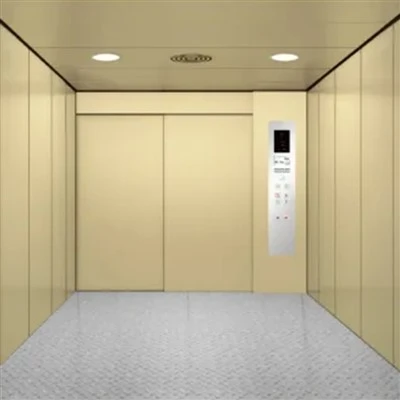
First off, why is it important to clean elevator doors? Clean elevator doors not only enhance the overall look of your home but also ensure the smooth operation of the elevator. Dirt and grime can accumulate over time, potentially causing friction and wear and tear on the door mechanisms. So, regular cleaning is a must to keep your elevator in top – notch condition.
Let’s start with the tools you’ll need. You don’t need any fancy equipment for this job. A soft microfiber cloth is your best friend. It’s gentle on the door surface and can pick up dust and dirt without scratching. You’ll also need a mild cleaning solution. Avoid using harsh chemicals as they can damage the door finish. I usually recommend a mixture of warm water and a little bit of dish soap. It’s effective and safe for most types of elevator door materials.
Before you start cleaning, make sure the elevator is turned off. Safety first, right? You don’t want the doors to suddenly open or close while you’re in the middle of cleaning. If your elevator has a key switch, turn it to the off position. If it’s a modern elevator with a control panel, follow the manufacturer’s instructions to put it in a maintenance or off mode.
Now, let’s get to the cleaning process. First, use the dry microfiber cloth to dust off the door surface. Start from the top and work your way down. This will remove loose dirt and debris. Pay special attention to the edges and corners of the door, as these areas tend to collect more dust. You’d be surprised how much dust can accumulate in those little nooks and crannies.
Next, dampen the microfiber cloth with the cleaning solution. Wring it out well so it’s not dripping wet. You don’t want excess water to seep into the door mechanisms. Gently wipe the door surface in a circular motion. This helps to loosen stubborn dirt and stains. For fingerprints and smudges, you can use a bit more pressure, but still be careful not to scratch the door.
If you encounter any tough stains, such as grease or food stains, you might need to use a slightly stronger cleaning agent. But again, make sure it’s safe for the door material. You can try a diluted vinegar solution. Mix equal parts of white vinegar and water in a spray bottle. Spray it on the stain and let it sit for a few minutes. Then, use the damp cloth to wipe it off. Rinse the cloth frequently in clean water to avoid spreading the dirt around.
After you’ve wiped the entire door surface, use a clean, dry microfiber cloth to dry it. This prevents water spots from forming and gives the door a nice, polished look. Make sure to dry the edges and corners thoroughly, as moisture can cause rust or corrosion over time.
Now, let’s talk about the tracks and guides. The tracks are where the elevator doors slide in and out. Over time, dirt, dust, and debris can build up in the tracks, causing the doors to move unevenly or make strange noises. To clean the tracks, you can use a small brush or a vacuum cleaner with a narrow attachment. Gently brush or vacuum out the dirt from the tracks. Be careful not to damage the track surfaces.
The guides are the parts that keep the doors aligned. You can use a damp cloth to wipe them down. Make sure they are clean and free of any dirt or debris. If you notice any signs of wear or damage on the tracks or guides, it’s a good idea to contact a professional elevator technician.
Another important part of the elevator door is the seal. The seal helps to keep out dust, dirt, and noise. To clean the seal, use a soft cloth dampened with a mild cleaning solution. Gently wipe the seal to remove any dirt or grime. Be careful not to stretch or damage the seal.
If your elevator doors have a glass panel, cleaning it is a bit different. You’ll need a glass cleaner and a clean, lint – free cloth. Spray the glass cleaner on the cloth, not directly on the glass. This prevents the cleaner from running into the door frame and causing damage. Wipe the glass in a circular motion until it’s clean. For streaks, use a dry, clean cloth to buff the glass.
How often should you clean your elevator doors? Well, it depends on how often the elevator is used. If it’s in a high – traffic area, such as a home with a lot of family members or frequent guests, you might want to clean the doors once a week. For a less – used elevator, once every two weeks or once a month should be sufficient.
In addition to regular cleaning, it’s also a good idea to have your elevator inspected and maintained by a professional on a regular basis. They can check for any potential problems with the door mechanisms, tracks, and other components. This can help prevent costly repairs down the road.
Well, that’s about it for my tips on cleaning residential elevator doors. I hope you found this information helpful. If you’re in the market for a new residential elevator or need any advice on elevator maintenance, don’t hesitate to reach out. We’re here to help you make the best choices for your home.
Hospital Elevator References
- General knowledge from years of working in the residential elevators industry.
- Manufacturer’s guidelines on elevator maintenance and cleaning.
Ningbo Dongao Elevator Co., Ltd.
As one of the most experienced residential elevators manufacturers and suppliers in China, we also support customized service. We warmly welcome you to buy high quality residential elevators for sale here from our factory. For quotation, contact us now.
Address: No. 16 Xiapan Road, Ninghai County, Ningbo City, Zhejiang Province
E-mail: 13777289058@163.com
WebSite: https://www.daelevator.com/
