Hey everyone, let’s talk about something I get asked ALL the time as a disinfectant wipes supplier—are those fancy wipes we sell actually okay to use on kids’ toys? I mean, if you’ve ever had a toddler who thinks their stuffed dinosaur is better off on the kitchen floor, or a teething toy that’s spent half the day under a playground bench, you’ve probably googled this at 2 a.m. when you saw your kid rub their eyes after clutching that thing. No judgment here— we’ve all been there, staring at a crumpled wipe pack, wondering if we’re more likely to kill germs or make our kid’s skin break out. Disinfectant Wipes
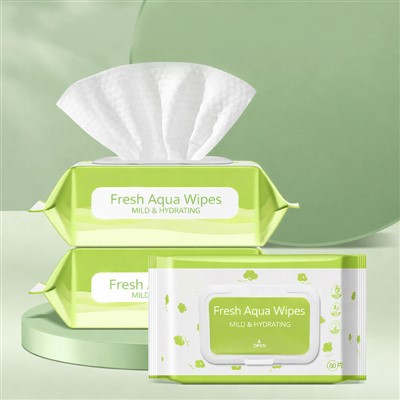
First off, let’s cut the BS: toys are germ magnets. I don’t care if it’s a $5 plastic rattle or a hand-knit stuffed bear your grandma made (don’t get me started on that stuff), anything a kid chews on, throws, or drags around gets covered in bacteria and viruses. Studies say kids touch their faces 16 times an hour— that’s not even a stat I just pulled out of my butt, by the way, that’s from the American Academy of Pediatrics (AAP). So yeah, sanitizing toys isn’t just “neat freak” stuff—it’s actually important for keeping sick days low, especially when daycare or preschool’s back in full swing.
Now, back to wipes. Let’s be real— most of us aren’t gonna break out a spray bottle and paper towels every time our kid drops their toy. Wipes are convenient, you can toss one in your diaper bag, your purse, even your glove box. But not all wipes are created equal, and that’s where a lot of parents mess up. Let’s start with the bad stuff first because that’s what I hear about most from customers. A lot of generic, cheap wipes you find at the dollar store or even some big-box stores have harsh chemicals—things like quaternary ammonium compounds (quats), synthetic fragrances, parabens, and even alcohol that’s higher than 70%. Wait, alcohol? Yeah, some all-purpose wipes have 90% alcohol, and if your kid is gnawing on that toy right after you wipe it, they’re licking that alcohol and those chemicals. That’s why I always tell people to check the active ingredients on the pack before buying.
Here’s the science part, but I’ll keep it simple: kids have super sensitive skin and mucous membranes (hello, their mouth and nose), so whatever they ingest from toys matters. A 2021 study from the Journal of Pediatric Nursing found that 1 in 5 parents use the wrong disinfectant on baby items, leading to skin irritation or even mild toxicity from ingested chemicals. Yikes. So not only are you not killing germs with the wrong wipes, you’re potentially making your kid sick. That’s a lose-lose.
Now, what kind of wipes ARE good for toys? Let’s break it down by toy type, because that’s another thing I get—different toys need different care.
First, hard, non-porous toys: think plastic rattles, blocks, teething rings, Legos, that little plastic kitchen set. These are the easiest. Wipes that are made for non-porous surfaces (most standard disinfectant wipes fit here) but make sure they’re free of harsh additives. I’d look for ones with EPA-registered active ingredients that kill common kid germs like E. coli, salmonella, and even norovirus—those are the bad ones that make your kid throw up. The key here is to make sure the toy is fully wiped down, and if it’s something your kid chews on, you rinse it with plain water after wiping. Wait, I know that extra step sounds like a pain, but it’s worth it. You don’t want that kid putting a wipe residue-covered rattle in their mouth for their 10th time that day.
Then there’s porous toys—stuffed animals, fabric dolls, plush blankets, even those foam bath toys that soak up water. Oh, bath toys are a huge pain because they get moldy inside. Wipes aren’t always the best here, right? Because the fabric can absorb the chemicals from the wipe, and then your kid is lying their face on it. But wait, that doesn’t mean you can’t use wipes at all on porous toys. If it’s a surface stain on a stuffed animal, a gentle, fragrance-free wipe is okay for spot cleaning, but I’d recommend throwing those plush toys in the washing machine every two weeks instead. But if you’re in a pinch—like your kid dragged their favorite teddy through a puddle at the park and it’s got mud that won’t come off— a wipe works as a quick fix, just don’t let them snuggle with it right after.
What about electronic toys? Like that tablet your kid loves to watch cartoons on, or the musical keyboard that has plastic buttons? DO NOT use regular disinfectant wipes on these. The moisture from the wipe can seep into the cracks and ruin the electronics. The AAP actually warns against liquid cleaners on electronic toys for that exact reason. So if you need to sanitize a tablet, use a screen-specific wipe that’s alcohol-free, not our standard disinfectant wipes. I know that’s a bummer, but better to replace a $100 tablet than risk breaking it.
Now, let’s talk about the myths I hear all the time. Myth #1: “Wipes kill all germs so I don’t need to wash toys ever.” No, that’s not how it works. Disinfecting isn’t sterile, it’s just reducing the germ load to safe levels. And over-wiping with harsh chemicals can actually make germs resistant? Wait, no, actually, the bigger issue is that if you use harsh wipes too often, they can break down the material of the toys. For example, some cheap plastic blocks will get cloudy or sticky if you wipe them with alcohol wipes too much. So moderation is key. Don’t wipe every single toy every day—stick to high-touch ones like teething toys, blocks that get passed between friends, and toys that go in the mouth.
Myth #2: “All baby-safe wipes are good for toys.” Wait, hold on—baby wipes are for cleaning skin, not disinfecting surfaces. That’s a big mistake a lot of parents make. Baby wipes don’t have disinfecting ingredients, they just have moisturizers and mild cleansers. So if you’re using baby wipes to kill germs on a toy, you’re basically just wiping off dirt, not killing anything. I see this all the time, and it makes sense—baby wipes are easy to grab, but they’re not the same as disinfecting wipes.
Another thing: let’s talk about skin reactions. I’ve had a handful of customers reach out saying their kid had a rash after they used our wipes on toys. Turns out, those customers were using a wipe that had synthetic fragrance, even if it said “kid-safe.” Fragrance is a top irritant for kids’ sensitive skin. Even if it’s a “natural” fragrance, it can cause contact dermatitis. So when you’re picking wipes for toys, look for ones that are fragrance-free, hypoallergenic, and pediatrician-tested. That’s the stuff we make, by the way, and that’s what we always recommend to parents.
Wait, let’s get real about how often you actually need to do this. If your kid’s toys are only at home, not going to playdates or daycare, you can probably get away with wiping them once a week. If they’re dragging toys to school, the park, or a friend’s house, you might want to do it twice a week. And anytime a toy touches something gross—like a public restroom floor, a sand pit, or your dog’s mouth (yes, that happens)—wipe it down right away. That’s way more important than a strict schedule.
I know as a parent, you’re already overloaded with stuff to remember. Wiping toys shouldn’t be another chore. That’s why our wipes are made to be quick—you can wipe a whole set of blocks in 30 seconds, no rinsing needed for non-chewable toys. But even we tell people to be smart about it. If it’s a teething toy your kid chews on every two minutes, rinse it after wiping. If it’s a stuffed bear, just spot clean and throw it in the wash when it’s dirty.
Let me also address the elephant in the room: COVID made a lot of people way more germ-conscious, so they’re wiping everything all the time. But we need to remember that kids build their immune systems by being around normal, safe germs. So don’t go overboard—your kid doesn’t need a sterile playroom, they need toys that are clean enough to keep them from getting sick. That balance is key.
So to wrap this up, are disinfectant wipes suitable for kids’ toys? The answer is: yes, if you use the RIGHT kind, for the RIGHT toy, and follow a few simple rules. Don’t use harsh, fragranced wipes on anything a kid puts in their mouth. Don’t use regular all-purpose wipes on electronics. Don’t forget to rinse chewable toys. And don’t rely on baby wipes to kill germs—they’re for bums, not blocks.

If you’re a daycare owner, a preschool teacher, or a parent who’s going through wipes like crazy and needs a reliable supply for your family or group, hit us up to chat about bulk orders. We’ve got options for every type of toy, and we’re happy to answer any specific questions you have about your kid’s favorite stuff. No pressure, just people who care about keeping kids (and toys) clean.
Disinfectant Wipes References:
American Academy of Pediatrics. (2021). Cleaning and disinfecting your home. Pediatrics.
Journal of Pediatric Nursing. (2021). Parental knowledge and practices related to disinfecting baby toys. Journal of Pediatric Nursing, Vol. 56, pp. 112-118.
U.S. Environmental Protection Agency. (2022). Disinfectant products for use against emerging viral pathogens. EPA.
Shanghai Joy Crown Industry Co., Ltd.
As one of the most professional disinfectant wipes manufacturers and suppliers in China, our company have world-leading production equipment and strong manufacturing capabilities. Please feel free to buy high quality disinfectant wipes made in China here from our factory. Contact us for OEM service.
Address: No.55-56 Lane 21 Pu San Road, Pudong New Area, 200125 Shanghai, P.R.China.
E-mail: sales@joybiowipes.com
WebSite: https://www.joybiowipes.com/
