Let’s cut to the chase—if you’re a camping diehard like me, you’ve probably stood in the middle of a remote national forest, RV park, or even a backcountry camp spot, staring at your dead phone, a half-charged cooler, and a portable mini-fridge that’s hours from dying. And you’ve definitely asked: “Can a diesel open frame generator work here?” I’m not here to give you corporate script— I own (yes, actually run) a diesel open frame generator supply business, and I’ve heard this question 100+ times from campers, van lifers, and weekend warriors in the last two years. Let’s break this down like we’re chatting around a campfire, no jargon, no hype, just real info from someone who ships these units to people hitting the trail every single week. Diesel Open Frame Generator
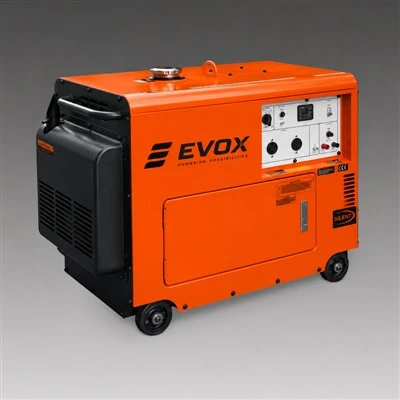
First, let’s get the basics straight: diesel open frame generators aren’t the fancy, enclosed, quiet inverter ones you see on Instagram for van lifers. They’re the boxy, loud, metal-framed workhorses—think the ones you’d use to power a construction site, a farm, or a backup for a whole house during a blackout. But people keep asking if they make sense for camping, so let’s start with the pros, because that’s where most of the value is.
The biggest win? Fuel efficiency. I don’t care if you’re car camping with a 500W mini-fridge, running a few LED string lights, or boondocking in an RV that uses a full AC unit all night—diesel crushes gas or propane for long runs. Let’s do the quick math that my team always uses with new customers: a 2.5kW open frame diesel generator, the sweet spot for most camping setups, uses roughly 0.1 gallons of diesel per hour at half load. A comparable gas generator chews through twice that, and propane? You’re swapping 20lb tanks every 6 hours if you’re running an AC. For a 3-day camping trip, that’s like 0.3 gallons of diesel vs. 1.2 gallons of gas, or a full propane tank gone in a night. And here’s the thing—diesel is way easier to find in remote areas than you think. A lot of gas stations along major highways and even small town stops sell diesel for farm equipment or work trucks, so you don’t have to hunt for a specialty RV propane station 20 miles out. That’s a huge win for boondockers who don’t want to rely on curated campground amenities.
Next, power output. If you’re running basic camping gear—fridges, lights, phone chargers, a portable coffee maker—even a tiny 1kW unit works, but if you want to step up? Like, running a 15,000 BTU RV AC unit that keeps you cool on 90-degree nights, or powering a small power tool if you’re doing any camp setup (like drilling a hole for a shelter anchor) or even a portable space heater for fall/winter camping? Diesel open frames have way higher peak and continuous power than most portable inverter generators. I had a customer last month who’s a construction worker and van lifer—he uses his 3kW diesel unit to run his power drill, his 12,000 BTU AC, and charge his work laptop all weekend, no problem. Inverters usually max out around 2kW for portable ones, so if you’re looking to power more than just the basics, this is a big plus.
Durability is another one that no one talks about enough for camping. These things are built to take a beating—dust, mud, rain, being tossed in the back of a truck bed for 4 hours on a bumpy dirt road. Enclosed inverter generators are nice and quiet, but their tiny electronics are way more fragile if you accidentally spill a little water on them or drop a rock on the casing mid-camp setup. I see way more damaged inverter units from campers than open frame ones, because the open frame design is just sturdier. I had another customer who took his to a backcountry camping spot in Montana last summer, drove 12 miles on a dirt road to get there, and the generator sat in the back of his truck for the whole trip, getting rained on a couple times, and it ran perfectly the whole time. No weird error codes, no dead batteries, just power when he needed it.
Now, let’s get real about the cons, because I’m not gonna lie to you—these units aren’t perfect for every camping scenario, and that’s why a lot of people steer clear. First, noise. Diesel open frame generators are loud—like, 65-75 decibels loud, depending on the size. For context, that’s about as loud as a regular conversation (60dB) or a vacuum cleaner (70dB). If you’re camping in a busy campground with strict quiet hours (usually 10pm-6am), this is a non-starter. No campground ranger is gonna let you run a 70dB generator at 11pm next to a family tent. Even if you’re boondocking, running that noise all night might make neighboring campers (even if they’re far away) come knock on your door asking you to turn it off. If you’re someone who values total quiet at camp—no white noise, just crickets and wind—this is definitely not for you.
Fuel storage is another big one. Diesel is a flammable fuel, so you can’t just toss a 5-gallon gas can of it in your car like you would for a trip. A lot of campgrounds have rules about storing flammable liquids, and even if they don’t, you have to be careful about not leaking it, not storing it near a heat source, not leaving it in the sun too long (it can degrade, or even get a little unstable if it’s hot out). Also, unlike propane, diesel doesn’t have an indefinite shelf life—if you leave a tank sitting for months, it can go bad, which clogs the generator’s fuel filter. I always tell customers not to bring more than they need for a trip, and to use any leftover diesel within a month or two. If you forget that and leave a half-full can in your garage for a year, that’s a whole new problem—clogged fuel lines, dirty engine, expensive repairs, and no power when you get to the campground.
Weight and size matter too. A 2.5kW diesel open frame generator is roughly 150 pounds. That’s not something you’re gonna easily carry 100 yards to a backcountry campsite, right? That’s a truck/car camping unit—you need a place to put it in your vehicle, and if you’re a solo camper hauling all your gear, that extra 150 pounds is something to factor into your payload. Inverter generators are usually half that weight, so if you’re backpacking or car camping with a tiny hatchback, this is a consideration.
Now, the big question: when is a diesel open frame generator actually the right call for camping? Let’s be specific, because it’s not for everyone, but for some people, it’s a game-changer. If you’re doing long boondocking trips—like a week or more in a remote spot with no hookups, no easy access to a propane station, and you need to power more than just basic lights and a fridge—this is perfect. I have a regular customer who’s a park ranger in Arizona, he takes his 2kW diesel unit out to remote trailheads for 10 days at a time, running his radio, his portable fridge, and charging his patrol laptop. He only has to top off the diesel once every 5 days, which is way less than any other generator would require. If you’re car camping with an RV that has a big AC unit, you don’t want to be swapping propane tanks every night—diesel is way cheaper in the long run, too. I’ve done the math: over a year of camping, a diesel generator saves about $200-$300 on fuel compared to a gas one, and more than that compared to propane, depending on how much you use it.
Also, if you’re doing any kind of work at your campsite—like building a small fire pit, setting up a permanent shelter, filming content, or just powering tools—this is way more reliable than a smaller inverter. Inverters can’t handle the startup surge of a power drill or a table saw, but open frame diesel units are built to handle that kind of load. I had a customer who’s a content creator, he films camping and overlanding videos, and he uses his generator to power his camera gear, a portable AC for his van, and even a small lighting kit for shoots. He tried an inverter first, and it died mid-shoot when he turned on the lights and the AC at the same time—never going back.
Now, let’s talk about some little tips I’ve picked up over the years, because even if you get a diesel open frame, you can make it work better for camping. First, buy a small noise dampening mat. They’re cheap, like $20-$30, and you put the generator on it when you run it. It cuts down on the vibration noise by a good 10 decibels, which makes a big difference. Second, if you’re running it at night, keep it at least 20 feet away from your tent or camper. Even with a dampening mat, that extra distance takes the noise down a lot, and it also keeps exhaust fumes away—super important, because carbon monoxide is a real risk, even with a diesel generator (though less than gas, still a risk). Third, check your campground rules before you go. A lot of national parks allow them during the day but not at night, some state parks have strict noise limits that ban anything over 60dB, so don’t just show up with your generator assuming it’s allowed. Fourth, run a fuel stabilizer if you’re storing diesel for more than a month, and never leave a full fuel tank in the generator when you’re not using it for a long time—empty it out, or add stabilizer.
Wait, I also need to address the elephant in the room: emissions. Diesel generators do produce exhaust, including small amounts of particulate matter, which is why you can’t run them inside or near tents. But modern diesel units are way cleaner than they were 10 years ago—most of the ones I supply have particulate filters that cut emissions by 90% or more, so they’re way less harsh than old diesel generators. I always tell customers not to run it anywhere downwind of other campers, and keep it far enough away that the exhaust doesn’t blow into your own space, that’s the biggest rule.
So, wrapping this up: can a diesel open frame generator be used for camping? The answer is yes, but only if it fits your specific camping style. If you’re a weekend car camper at a busy campground, need quiet at night, and only power basic stuff? Probably not the best pick. But if you’re a boondocker doing 7+ day trips, an RV owner with big power needs, someone who works or creates content at camp, or just someone who wants the most reliable, long-lasting power for remote spots? This is one of the best options out there.
At the end of the day, I don’t push these units on everyone. I tell people to be honest about how they camp, how much power they need, and where they’re going. If you think a diesel open frame might be right for you, or if you have questions about which size fits your setup, feel free to reach out. No pressure, no sales pitch, just straight answers from someone who sells these things to campers every single week and knows exactly what works for different trips.
If you’ve used a diesel open frame generator for camping, drop a comment below and tell me your experience—good, bad, or whatever, I love hearing from other campers. And if you’re in the market, don’t hesitate to connect with us to talk through your needs. We’re here to make sure you get the right power for your trip, not just the unit with the biggest numbers.
Water Pump References:
- U.S. Department of Energy, Fuel Efficiency of Portable Generators, 2023
- National Park Service, Backcountry Generator Use Guidelines, 2022
- Portable Power Equipment Association, Noise Levels of Portable Generator Types, 2024
- Environmental Protection Agency, Diesel Generator Emission Standards for Recreational Use, 2023
Evoxpower Technology
Evoxpower Technology is one of the most professional diesel open frame generator manufacturers and suppliers in China, featured by quality products and good service. Please rest assured to buy the newest diesel open frame generator in stock here and get pricelist from our factory. Contact us for customized service and OEM service.
Address: 11 Fortune Avenue, Yubei District, Chongqing, China
E-mail: stephen@allrightpower.com
WebSite: https://www.evoxpower.com/
