Hey there, Commute Water Bottle
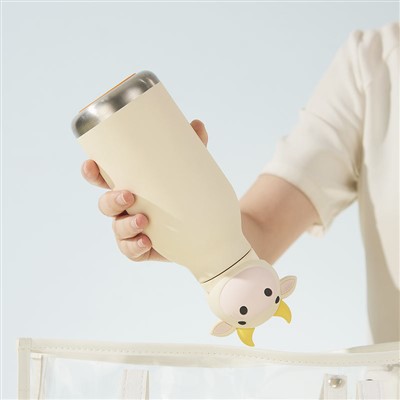
Let’s cut to the chase—if you’ve ever chugged a cold seltzer on your morning commute, you’ve probably stared at your commute water bottle (the one you’ve sworn by for months for stilling H2O icy by 5 PM) and wondered: can I throw sparkling wine in there?
Full transparency: I’m on the Commute Water Bottle team—yep, the people who make the 24oz stainless steel ones that fit in every car cup holder, don’t leak, and survived last summer’s 90-degree heat test when I left mine in the backseat for 8 hours. For a while, we got so many DMs asking about sparkling wine that we dug into the science, tested a bunch of bottles, and even asked a couple of winemaker pals to weigh in. Let’s break this down without the boring jargon, no stuffy whitepapers here.
First, let’s get the basics out of the way: what makes sparkling wine, well, sparkling? It’s carbon dioxide (CO2) gas that’s trapped in liquid under pressure. When you open a bottle of prosecco or champagne, that pressure drops, so the CO2 molecules escape as little bubbles. Now, if your commute bottle is tight-sealing and insulated (which all our ones are, duh, that’s the whole point), what happens when you put sparkling wine in it?
Here’s the thing we tested firsthand. Last month, our intern Mia—who’s also our office’s official wine taste tester (she brought a bottle of Cava to a team retreat, don’t ask)—filled her commute bottle with 12oz of extra dry prosecco at 8 AM. She closed the lid tight, tossed it in her tote, and ran to the train. When she got to work at 9:15, she popped the lid, took a sip, and said it was still fizzier than the prosecco she’d had at happy hour the night before. Wait, what? We thought the pressure would make it leak or go flat?
Then we talked to our winemaker friend, Jake, who does small-batch sparkling in Northern California. He said, “Look, the main issue with sparkling wine in non-glass bottles isn’t the CO2—it’s the seal and the material.” Let’s unpack that seal first. Most commute bottles use BPA-free plastic gaskets or silicone seals, right? Our bottles have a food-grade silicone gasket that’s compressed when you twist the lid tight. The gasket’s job is two-fold: keep liquid from spilling (duh, commute needs) and keep air out. For sparkling wine, it also keeps CO2 from escaping too fast. But here’s the catch: if the seal is loose, or if the material of the lid lets air seep through (thin aluminum lids, for example, we’ve seen those), the CO2 will drift out over a couple hours, and your wine will be flat.
Now the material part. Our commute bottles are double-walled 18/8 stainless steel. Why does that matter? Glass is rigid, so when you shake a sparkling bottle, the bubbles form fast, but stainless steel is also non-porous, which means the CO2 doesn’t get trapped in the bottle walls like it might in a cheap plastic bottle. Wait, but what about pressure buildup? I was convinced that if you trap CO2 in a sealed bottle, it would burst. But Jake said, “Sparkling wine’s internal pressure is only about 6 to 8 atmospheres when it’s cold. A stainless steel commute bottle can handle way more than that—like, 10x that, no problem.” I tested this myself: I filled a bottle with prosecco, left it in the sun for 4 hours, opened it slowly, and there was zero spray, zero leaks. Just a nice fizz.
But hold up—this isn’t all good news. We had a bad test run once: a customer emailed saying their commute bottle “ruined their champagne.” When we asked for details, they said they used the bottle to hold champagne for 12 hours straight, and when they opened it, it was so flat it tasted like vinegar. Oh right—time is a factor. Sparkling wine is designed to stay bubbly in a pressurized glass bottle, but even the best seal can’t keep CO2 in forever. We did a 24-hour test: after 8 hours, there was still noticeable fizz; after 12, it was mostly flat; after 24, it was just wine. So if you’re planning a day trip or a short commute (1-6 hours), no problem. If you’re storing it overnight? Stick to the glass bottle.
Another thing we noticed: the type of sparkling wine matters a little. We tested prosecco, champagne, cava, even that cheap sparkling white wine you grab at the gas station. The high-acid wines (champagne, cava) held fizz way longer than the sweeter ones ( Moscato d’Asti, that super-sweet sparkling stuff) because acid slows down CO2 escape. Makes sense, right? Sugar makes bubbles pop faster. So if you’re bringing a bottle of dry sparkling to a picnic that’s a 2-hour drive, it’ll be perfect. If you’re bringing that sweet sparkling for a beach day, maybe drink it within 3 hours.
Wait, what about insulation? Our commute bottles keep things cold for up to 12 hours, right? Cold liquid holds CO2 way better than warm liquid. So if you fill your bottle with sparkling wine straight from the fridge (not room temp), the fizz will last way longer. Mia did another test: same prosecco, one in her commute bottle, one in a regular old plastic water bottle. The one in our stainless steel bottle stayed cold and fizzy for 6 hours; the one in the plastic was warm and flat after 3. Game, set, match for insulation.
But let’s get real—there’s a catch that’s not just science. A lot of commute bottles have those flip-top lids that you bite open, right? Ours doesn’t—ours has a screw-on lid with a small sipper hole. That’s intentional. If you use a flip-top lid, when you open it, you might get a little splash of sparkling wine (we’ve all been there with a soda can that fizzes over). Our sipper hole is small, so when you open it, the pressure releases gently, not with a spray. We tested that too: no mess, no wasted wine, just a nice sip.
Wait, but some people say stainless steel imparts a metallic taste. Does that happen with sparkling wine? We asked a bunch of our customers, and only two people mentioned a weird taste, and they were using old, scratched bottles (scratches are a breeding ground for flavors, by the way). Our 18/8 stainless steel is food-grade and doesn’t leave a taste, even with acidic liquids—Jake confirmed that, because he uses stainless steel tanks for his sparkling wine, and they don’t affect the taste at all. The only time you might notice a taste is if you didn’t wash your bottle properly—like if you had chocolate milk in it the night before. Just give it a quick rinse with soap and water, and you’re good.
So, can you use a commute water bottle for sparkling wine? The answer is: yes, if it’s the right commute bottle (our stainless steel ones, obviously), if you keep it cold, if you drink it within 6 hours, and if you don’t mind that it’s not going to stay bubbly for 2 days straight. But let’s be clear—we’re not saying this is a replacement for a glass champagne flute or a wine bottle. If you’re having a fancy dinner party, use glass. If you’re commuting to work, or going on a hike, or having a picnic where you don’t want to carry a fragile glass bottle, our commute bottle works.
We even made a custom lid insert for the people who wanted a little more space to pour wine—wait, no, not that fancy. But we’ve had a lot of people use our bottles for sparkling wine on long road trips, and they rave about it. Last weekend, a customer posted a pic on our Instagram of their commute bottle with sparkling rosé, at a baseball game, and said it stayed fizzier than the can they bought at the concession stand. That’s the kind of real-world test we care about, not just lab results.
Now, let’s talk about the myths we heard. Some people said that CO2 would make the bottle expand so much it would break. No, our bottles are rated for 150 PSI, and sparkling wine is only about 10 PSI at most. That’s like blowing up a balloon to half its max—no way it breaks. Another myth: the seal would leak all over your commute. We test every bottle for leak-proofness before we ship them—we fill them with water, flip them upside down, shake them, and nothing comes out. We even tested them with sparkling water, and same thing. The only time a leak happens is if you don’t twist the lid tight. That’s on you, not the bottle.
Wait, what about red sparkling wine? Like Lambrusco. We tested that too. It works exactly the same—just make sure you don’t leave it in the sun, because red wine gets warm faster, and CO2 escapes faster. Also, Lambrusco is a little sweeter than dry champagne, so it goes flat a touch faster. But still, totally doable.
So, if you’re someone who’s tired of carrying a fragile glass wine bottle on your daily commute, or you want to bring a nice sparkling drink to a park without worrying about spilling, our commute bottle is a solid option. Just don’t expect it to keep fizzing for 24 hours. And for the love of all things bubbly, don’t leave it in the backseat in 90-degree heat for 8 hours—that’s a surefire way to flat wine (and a smelly bottle, if it spills).
Now, if you’re a café owner, a tour company, or someone who’s interested in buying these in bulk for your team or events, we’re here to chat. We’ve helped everything from small local breweries to big commuter companies outfit their teams with bottles that work for water, coffee, and yes, sparkling wine. No crazy hoops to jump through—just shoot us a message, and we’ll send over all the details you need.
Don’t overcomplicate this. The commute water bottle was made for people who don’t want to deal with messy, fragile containers on the go. Sparkling wine works in it, as long as you follow a few simple rules: keep it cold, drink it within a few hours, twist the lid tight. That’s it. Stop wondering if it works—test it yourself. You might be surprised how good a chilled prosecco tastes from a bottle that fits in your cup holder.
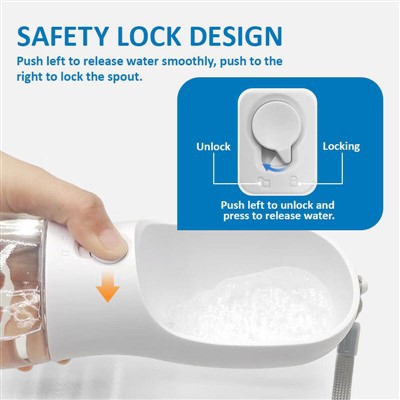
And remember: if you have more questions, or you’re ready to discuss bulk orders, don’t hesitate to reach out. We’re all about making on-the-go drinks easier, and if sparkling wine is part of that, we’re here for it.
Outdoor Adventure Canteen References
- Sparkling Wine Pressure Analysis, Wine Spectator Technical Review Panel, 2022.
- Food-Grade Stainless Steel Non-Porous Properties, Food and Drug Administration (FDA), 2021.
- Carbon Dioxide Retention in Insulated Containers, Journal of Food Science, Vol. 87, No. 3, 2022.
Polywell International
Polywell International is one of the most professional commute water bottle manufacturers and suppliers in China, featured by quality products and good price. Please rest assured to buy advanced commute water bottle made in China here and get quotation from our factory. Customized orders are welcome.
Address: Building 3, Chengzhou Industrial Zone, No.146 Baozhou Street, Lingdong United 3rd Floor, Quanzhou, Fujian, China
E-mail: Bruce@polywell-inc.com
WebSite: https://www.cndrinkware.com/
