Can RO purified water equipment be used in food and beverage industries? RO Purified Water Equipment
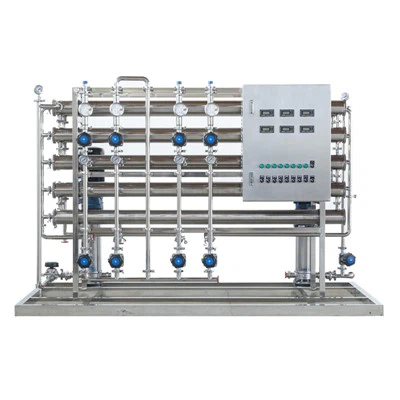
As a supplier of RO (Reverse Osmosis) purified water equipment, I am often asked whether our RO systems can be used in the food and beverage industries. The answer is a resounding yes, and in this blog post, I will explain in detail why RO purified water equipment is not only suitable but also highly beneficial for these sectors.
The Importance of High – Quality Water in Food and Beverage Production
Water is a fundamental ingredient in the food and beverage industries. It is used in various processes, including ingredient mixing, product formulation, cleaning and sanitizing equipment, and even as a direct component in many products such as beverages, soups, and dairy items.
The quality of water used in these processes can significantly impact the taste, safety, and shelf – life of the final product. Impurities in water, such as minerals, bacteria, viruses, and chemicals, can cause off – flavors, cloudiness, and spoilage. For example, high levels of calcium and magnesium (hard water) can lead to scale formation in equipment, reducing its efficiency and lifespan. Moreover, microbial contaminants can pose serious health risks to consumers.
How RO Purified Water Equipment Works
RO purified water equipment operates based on the principle of reverse osmosis. In a natural osmosis process, water flows from an area of low solute concentration to an area of high solute concentration through a semi – permeable membrane. In reverse osmosis, an external pressure is applied to the side with a high solute concentration, forcing water molecules to pass through the membrane while leaving behind most of the dissolved salts, organic compounds, bacteria, and other contaminants.
The RO membrane has extremely small pores, typically in the range of 0.0001 to 0.001 microns. This allows it to effectively remove contaminants such as:
- Inorganic salts (e.g., sodium, chloride, calcium, magnesium)
- Heavy metals (e.g., lead, mercury, arsenic)
- Microorganisms (e.g., bacteria, viruses, protozoa)
- Some organic compounds (e.g., pesticides, solvents)
This results in water of exceptionally high purity, which is ideal for use in the food and beverage industries.
Benefits of Using RO Purified Water in Food and Beverage Industries
1. Enhanced Product Quality
RO purified water provides a consistent and high – quality water source. With fewer impurities, the taste, color, and texture of food and beverage products can be better controlled. For example, in the production of bottled water, soft drinks, and beers, using RO water ensures a clean and pure taste, free from any unwanted flavors or odors. In the baking industry, RO water can improve the texture and shelf – life of bread and pastries by preventing the formation of lumps caused by hard water minerals.
2. Improved Equipment Performance
As mentioned earlier, hard water can cause scale formation in equipment. RO purified water reduces the risk of scale buildup in boilers, heat exchangers, and other processing equipment. This not only improves the efficiency of the equipment but also extends its lifespan, reducing maintenance costs and downtime.
3. Compliance with Regulatory Standards
The food and beverage industries are subject to strict regulatory standards regarding water quality. RO purified water equipment can help companies meet these standards by removing harmful contaminants. For example, the United States Food and Drug Administration (FDA) has specific requirements for the quality of water used in food and beverage production. Using RO water can help ensure that products are safe for consumption and compliant with these regulations.
4. Cost – Effectiveness in the Long Run
Although the initial investment in RO purified water equipment may seem significant, it can lead to cost savings in the long term. By preventing equipment damage and reducing the need for chemical treatments to control water hardness and microbial growth, companies can save on maintenance, repair, and chemical costs. Additionally, the improved product quality can lead to increased customer satisfaction and potentially higher sales.
Applications of RO Purified Water in Different Sectors of the Food and Beverage Industries
Beverage Industry
- Soft Drinks and Juices: RO water is used as a base for soft drinks and juices. It ensures that the final product has a consistent taste and appearance. By removing impurities, it also helps to prevent the formation of sediment or cloudiness in the bottles.
- Alcoholic Beverages: In the production of beer, wine, and spirits, RO water is used to control the mineral content of the brewing or distilling water. This allows brewers and distillers to achieve the desired flavor profile and quality of their products.
Dairy Industry
- Milk Processing: RO water is used in milk powder production, as well as in the cleaning and sanitizing of milk processing equipment. The high – purity water ensures the safety and quality of dairy products by preventing the introduction of contaminants.
Food Processing Industry
- Canning and Bottling: RO water is used in the canning and bottling of fruits, vegetables, and other food products. It helps to maintain the freshness and flavor of the products and prevents the growth of microorganisms during storage.
- Bakery and Confectionery: RO water is essential for making dough, batters, and icings. It improves the texture and shelf – life of baked goods and confectionery items.
Considerations When Using RO Purified Water Equipment in Food and Beverage Industries
While RO purified water equipment offers many benefits, there are some considerations that food and beverage companies should keep in mind:
1. Pre – treatment
RO membranes are sensitive to certain contaminants such as suspended solids, chlorine, and high levels of organic matter. Therefore, pre – treatment is often required to protect the RO membrane and ensure its long – term performance. Pre – treatment may include processes such as sediment filtration, activated carbon filtration, and anti – scaling chemical treatment.
2. System Maintenance
Regular maintenance of the RO purified water equipment is crucial to ensure its optimal performance. This includes membrane cleaning, replacement of filters, and monitoring of water quality parameters such as conductivity and pH.
3. Water Recovery
The RO process typically produces a certain amount of reject water, which contains a higher concentration of contaminants. Food and beverage companies need to consider the proper disposal of this reject water or explore options for water recovery to minimize water waste.
Conclusion
In conclusion, RO purified water equipment is a valuable asset for the food and beverage industries. It provides high – quality water that can enhance product quality, improve equipment performance, and ensure compliance with regulatory standards. While there are some considerations to take into account, the benefits far outweigh the challenges.
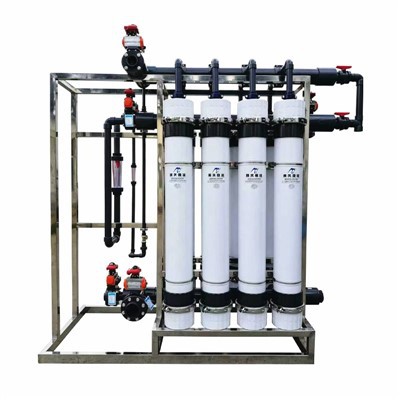
If you are in the food and beverage industry and are looking for a reliable and efficient water purification solution, I encourage you to contact us for a detailed discussion. Our team of experts can help you choose the right RO purified water equipment based on your specific needs and requirements. Let’s work together to ensure the success of your business through the use of high – quality purified water.
SWRO & BWRO Equipment References
- Beverage Industry Magazine. "The Role of Water Quality in Beverage Production."
- Dairy Science Journal. "Impact of Water Quality on Dairy Product Safety and Quality."
- Food Processing Handbook: A Guide to Best Practices in the Food Industry.
Shandong Yanuo Environmental Protection Equipment Co., Ltd.
We’re well-known as one of the leading ro purified water equipment manufacturers and suppliers in China, featured by quality products and good price. Please rest assured to buy bulk ro purified water equipment made in China here from our factory. Customized orders are welcome.
Address: North Side of the Road, 1,000 Meters West of the Intersection of Fenghuangshan West Road and Provincial Highway S102, Wangfu Subdistrict, Qingzhou City, Weifang City, Shandong Province.
E-mail: ynhb.499973983@gmail.com
WebSite: https://www.zkyaruo.com/
