As a supplier of PMMA exhaust gas treatment equipment, I’ve encountered a wide range of exhaust gas conditions from various clients. Adjusting the parameters of our equipment according to these different conditions is crucial to ensure efficient and effective treatment. In this blog, I’ll share some insights on how to make these adjustments. PMMA Exhaust Gas Treatment Equipment

Understanding the Composition of PMMA Exhaust Gas
PMMA (Polymethyl Methacrylate) exhaust gas typically contains a variety of pollutants. These may include volatile organic compounds (VOCs) such as methyl methacrylate (MMA), which is the main monomer in PMMA production. Other possible components are small – molecular organic substances, particulate matter, and sometimes trace amounts of heavy metals. The specific composition of the exhaust gas can vary depending on the production process, raw materials used, and operating conditions.
For example, in a continuous PMMA production line, the exhaust gas may have a relatively stable composition with a high concentration of MMA. On the other hand, in a batch – type production process, the exhaust gas composition can change significantly over time, especially during the start – up and shut – down phases.
Key Parameters of PMMA Exhaust Gas Treatment Equipment
Before we discuss parameter adjustment, let’s first understand the key parameters of our PMMA exhaust gas treatment equipment. These include:
- Flow rate: The volume of exhaust gas passing through the treatment equipment per unit time. It is usually measured in cubic meters per hour (m³/h).
- Temperature: The temperature of the exhaust gas. This can affect the reaction rate and efficiency of the treatment process.
- Pressure: The pressure of the exhaust gas within the treatment equipment. It is important for ensuring proper gas flow and preventing leakage.
- Concentration of pollutants: The concentration of VOCs and other pollutants in the exhaust gas, which is typically expressed in parts per million (ppm) or milligrams per cubic meter (mg/m³).
- Residence time: The time that the exhaust gas spends in the treatment equipment, which is crucial for the completion of the treatment reaction.
Adjusting Parameters Based on Different Exhaust Gas Conditions
High – Concentration VOC Exhaust Gas
When dealing with exhaust gas with a high concentration of VOCs, we need to adjust the parameters to enhance the treatment efficiency.
- Flow rate: Reduce the flow rate of the exhaust gas to increase the residence time. This allows more time for the treatment process to break down the VOCs. For example, if the normal flow rate is 5000 m³/h, we may reduce it to 3000 m³/h for high – concentration exhaust gas.
- Temperature: Increase the temperature within the treatment equipment. Higher temperatures can accelerate the chemical reactions involved in VOC decomposition. However, we need to ensure that the temperature does not exceed the safe operating limit of the equipment. For some catalytic oxidation processes, raising the temperature from 200°C to 300°C can significantly improve the treatment efficiency.
- Catalyst dosage: If our equipment uses a catalyst for VOC treatment, we may increase the dosage of the catalyst. A higher catalyst concentration can provide more active sites for the reaction, thus enhancing the decomposition of VOCs.
Low – Concentration but High – Volume Exhaust Gas
In the case of low – concentration but high – volume exhaust gas, the following parameter adjustments can be made:
- Flow rate: Maintain a relatively high flow rate to handle the large volume of exhaust gas. However, we need to ensure that the treatment process can still effectively remove the pollutants at this flow rate.
- Residence time: Although the flow rate is high, we can increase the size of the treatment chamber to ensure an adequate residence time. This can be achieved by adding additional treatment units in parallel or series.
- Adsorbent regeneration: If our equipment uses an adsorption process, we need to adjust the frequency of adsorbent regeneration. Since the exhaust gas volume is large, the adsorbent may become saturated more quickly, so more frequent regeneration is required.
Exhaust Gas with Particulate Matter
When the exhaust gas contains particulate matter, we need to focus on the following parameter adjustments:
- Filtration efficiency: Increase the filtration efficiency of the pre – filtration system. This can be done by using filters with a smaller pore size or by adding multiple layers of filters.
- Pressure drop: Monitor and control the pressure drop across the filters. A significant increase in pressure drop may indicate that the filters are clogged, and they need to be replaced or cleaned.
- Flow rate: Adjust the flow rate to ensure that the particulate matter is effectively captured by the filters. A too – high flow rate may cause the particulate matter to bypass the filters, while a too – low flow rate may reduce the overall treatment capacity.
Monitoring and Feedback
After adjusting the parameters, it is essential to continuously monitor the performance of the treatment equipment. We can use various monitoring devices such as gas analyzers to measure the concentration of pollutants in the treated exhaust gas, flow meters to measure the flow rate, and temperature sensors to measure the temperature.
Based on the monitoring results, we can make further adjustments to the parameters. For example, if the concentration of pollutants in the treated exhaust gas is still higher than the standard, we may need to further adjust the flow rate, temperature, or catalyst dosage.
Conclusion
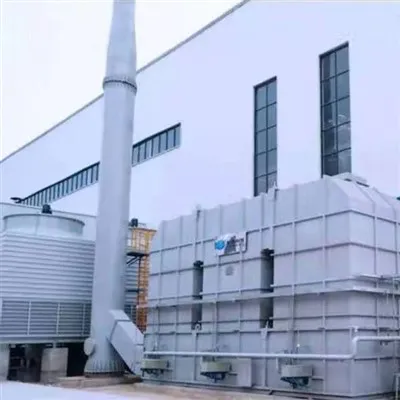
Adjusting the parameters of PMMA exhaust gas treatment equipment according to different exhaust gas conditions is a complex but necessary task. By understanding the composition of the exhaust gas, the key parameters of the equipment, and making appropriate adjustments, we can ensure that the treatment equipment operates efficiently and effectively.
PMMA Cracking Furnace If you are facing challenges in treating PMMA exhaust gas or are interested in our PMMA exhaust gas treatment equipment, we are here to help. Our team of experts can provide customized solutions based on your specific exhaust gas conditions. Don’t hesitate to contact us for a detailed discussion and to start the procurement process.
References
- Smith, J. (2018). "Advanced Treatment Technologies for VOC – Rich Exhaust Gases". Environmental Science Journal.
- Brown, A. (2019). "Optimization of Exhaust Gas Treatment Parameters in Polymer Production". Chemical Engineering Magazine.
- Green, C. (2020). "Particulate Matter Removal in Industrial Exhaust Gas Treatment". Air Quality Research.
Wuxi Quansheng Industrial Equipment Co., Ltd.
As one of the most professional PMMA exhaust gas treatment equipment manufacturers and suppliers in China, we have world-leading production equipment and strong manufacturing capabilities. Welcome to buy high quality PMMA exhaust gas treatment equipment for sale here from our factory. For price consultation, contact us.
Address: No.10, Fulaiqiao Road, Hudai Town, Binhu District, Wuxi City, Jiangsu Province, China
E-mail: 397293586@qq.com
WebSite: https://www.pmmatech.com/
