In the realm of industrial equipment, the ZW Dirty Water Self – Priming Pump stands as a reliable workhorse for handling dirty water and achieving efficient fluid transfer. As a supplier of the ZW Dirty Water Self – Priming Pump, I’ve had numerous conversations with customers about the proper use and maintenance of these pumps. One question that often arises is: What will happen if the ZW Dirty Water Self – Priming Pump runs idle for a long time? In this blog, I’ll delve into the potential consequences of long – term idling and provide some insights on how to prevent associated problems. ZW Dirty Water Self-Priming Pump

1. Overheating of the Pump
The ZW Dirty Water Self – Priming Pump is designed to operate with a proper flow of fluid. When the pump runs idle, there is no liquid to carry away the heat generated by the mechanical components. The motor continues to work, converting electrical energy into mechanical energy, and a significant portion of this energy is dissipated as heat.
The impeller, which is one of the key components of the pump, rotates at high speed. Without the cooling effect of the fluid, the friction between the impeller and the pump housing can cause a rapid increase in temperature. Excessive heat can lead to a series of issues. For example, the thermal expansion of metal components can cause the tight clearances between different parts of the pump to change. This may result in the impeller rubbing against the pump housing, which not only causes mechanical damage but also significantly reduces the pumping efficiency.
Moreover, high temperatures can have a detrimental effect on the seals and gaskets in the pump. These components are often made of rubber or other heat – sensitive materials. Prolonged exposure to high temperatures can cause the seals to harden, crack, or lose their elasticity. Once the seals are damaged, the pump may start to leak, leading to a loss of prime and a decrease in the overall performance of the pump. If left unaddressed, this can eventually render the pump inoperable.
2. Mechanical Wear and Tear
Running the ZW Dirty Water Self – Priming Pump idle means that the lubrication provided by the fluid is absent. In normal operation, the fluid acts as a lubricant between the moving parts of the pump, reducing friction and wear. When the pump runs dry, the mechanical parts, such as the bearings and the shaft, are in direct contact with each other without proper lubrication.
Bearings are crucial for the smooth rotation of the impeller and other rotating parts. Without the lubricating effect of the fluid, the bearings experience increased friction, which causes them to wear out much faster than normal. Excessive wear of the bearings can lead to a misalignment of the shaft, which further exacerbates the problem. A misaligned shaft can cause uneven stress distribution on the impeller, leading to premature failure of the impeller blades.
In addition, the lack of fluid also means that there is no medium to cushion the impact of mechanical vibrations. The ZW Dirty Water Self – Priming Pump generates vibrations during operation, and in normal conditions, the fluid helps to absorb and dampen these vibrations. However, during idling, the vibrations can cause the pump components to vibrate freely, leading to the loosening of bolts and other fasteners. Over time, this can result in structural damage to the pump and pose a safety hazard.
3. Cavitation Damage
Cavitation is a phenomenon that can occur when the pump runs idle for an extended period. When the pump is operating without sufficient fluid, the pressure inside the pump chamber drops. If the pressure drops below the vapor pressure of the liquid that the pump is supposed to handle, the liquid will vaporize, forming bubbles.
As the impeller rotates, these bubbles are carried to areas of higher pressure, where they collapse suddenly. The collapse of these bubbles generates a shockwave that can cause severe damage to the impeller and the pump housing. The shockwaves can erode the metal surface of the impeller, creating pits and grooves. This not only reduces the efficiency of the impeller but also weakens its structural integrity.
Moreover, cavitation can also cause noise and vibration in the pump. The loud noise is a clear indication that cavitation is occurring, and the intense vibration can further damage the pump and its supporting structure.
4. Loss of Self – Priming Ability
The self – priming feature is one of the key advantages of the ZW Dirty Water Self – Priming Pump. However, long – term idling can cause the pump to lose its self – priming ability. The self – priming mechanism of the pump relies on a certain amount of liquid being present in the pump chamber to create a vacuum and draw in the fluid from the suction line.
When the pump runs idle, the liquid in the pump chamber may evaporate, leave the chamber, or be displaced by air. As a result, when you try to restart the pump, it may not be able to create the necessary vacuum to prime itself. This means that you’ll need to manually fill the pump with liquid to restart it, which is not only time – consuming but also inconvenient, especially in industrial applications where continuous operation is often required.
Preventive Measures
To avoid the problems associated with long – term idling of the ZW Dirty Water Self – Priming Pump, several preventive measures can be taken. Firstly, it is essential to ensure that the pump is always supplied with an adequate flow of fluid. This can be achieved by installing proper sensors and control systems that can detect when the fluid level is low and automatically shut off the pump to prevent idling.
Secondly, regular maintenance is crucial. Check the pump’s seals, gaskets, and bearings regularly for signs of wear and tear. Replace any damaged components promptly to ensure the proper functioning of the pump. Additionally, lubricate the moving parts according to the manufacturer’s recommendations to reduce friction and prevent overheating.
Finally, it is advisable to follow the manufacturer’s operating instructions carefully. These instructions provide valuable information on how to start, stop, and maintain the pump properly. By adhering to these guidelines, you can minimize the risk of damage to the pump and ensure its long – term reliability.
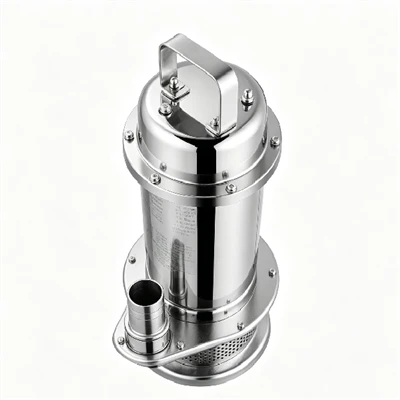
As a supplier of the ZW Dirty Water Self – Priming Pump, I understand the importance of these pumps in various industrial applications. If you’re looking for a reliable and efficient dirty water self – priming pump, our ZW series is a great choice. We offer high – quality pumps that are designed to withstand the rigors of continuous operation. Whether you’re dealing with wastewater treatment, mining, or construction, our pumps can meet your needs.
QSP Landscape Fountain Pump If you’re interested in learning more about our ZW Dirty Water Self – Priming Pump or discussing your specific requirements, please reach out to us for a detailed procurement discussion. We’re committed to providing you with the best solutions and ensuring that your operations run smoothly.
References
- "Centrifugal Pump Handbook" by Igor J. Karassik et al.
- Technical documentation provided by pump manufacturing industry standards.
- Research papers on pump operation and maintenance from relevant engineering journals.
Longbiao Pump Industry Co., Ltd.
We are one of the most professional zw dirty water self-priming pump manufacturers and suppliers in China, featured by quality products and low price. Please rest assured to buy discount zw dirty water self-priming pump for sale here from our factory. We also accept customized orders.
Address: Unit 101, Building 11, Pan’ao Entrepreneurship Park, Daxi Town, Wenling City, Taizhou City, Zhejiang Province, P.R. China
E-mail: 1653746797@qq.com
WebSite: https://www.cnlongbiao.com/
